

Author: Jeff O'Hara
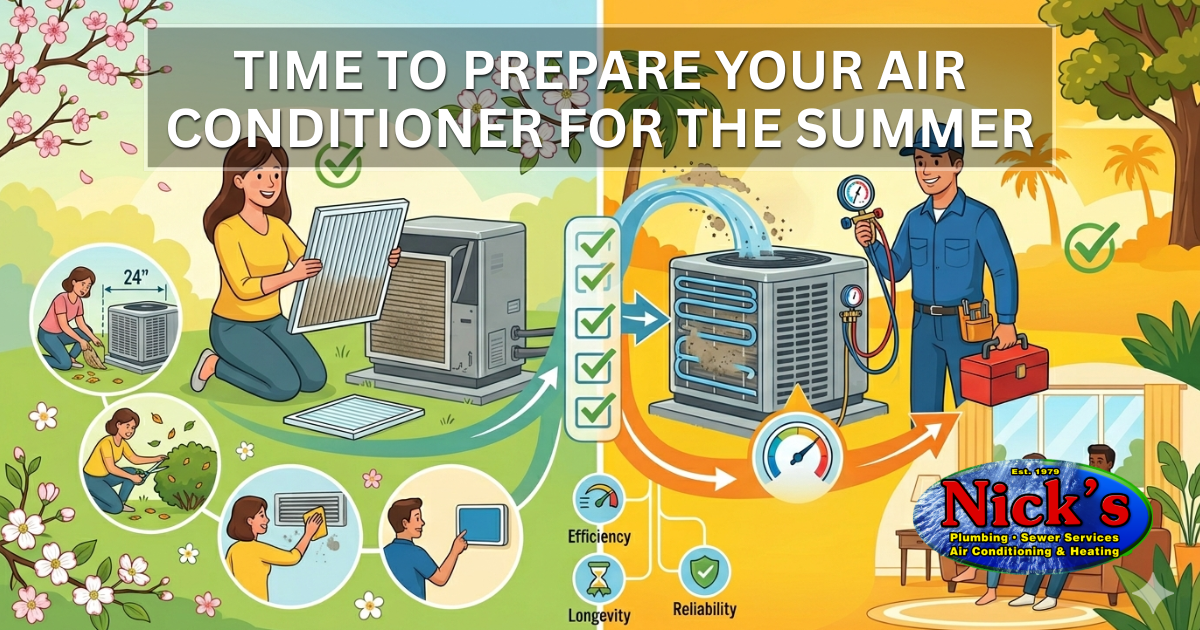
Spring Has Sprung: Time to Prepare Your Air Conditioner for the Summer
Spring in Houston doesn’t last long. One week you’ve got cool, crisp mornings that encourage you to open some windows, and the next you’re wondering why your air conditioner suddenly can’t keep up with yet another early arrival of summer in Houston.
That shift happens fast—and if your AC system isn’t ready for it, you’ll know about it immediately. Most homeowners don’t think about their air conditioner until the first truly hot day of the year. Sadly, this is also when small issues tend to turn into full-on system failures.
The reality is that your AC has been sitting mostly idle for months, and like any mechanical system, it doesn’t always perform perfectly after a long break without some form of maintenance.
So, that’s why HVAC companies agree that the spring months (March & April) are the ideal time to get ahead of problems before summer arrives.
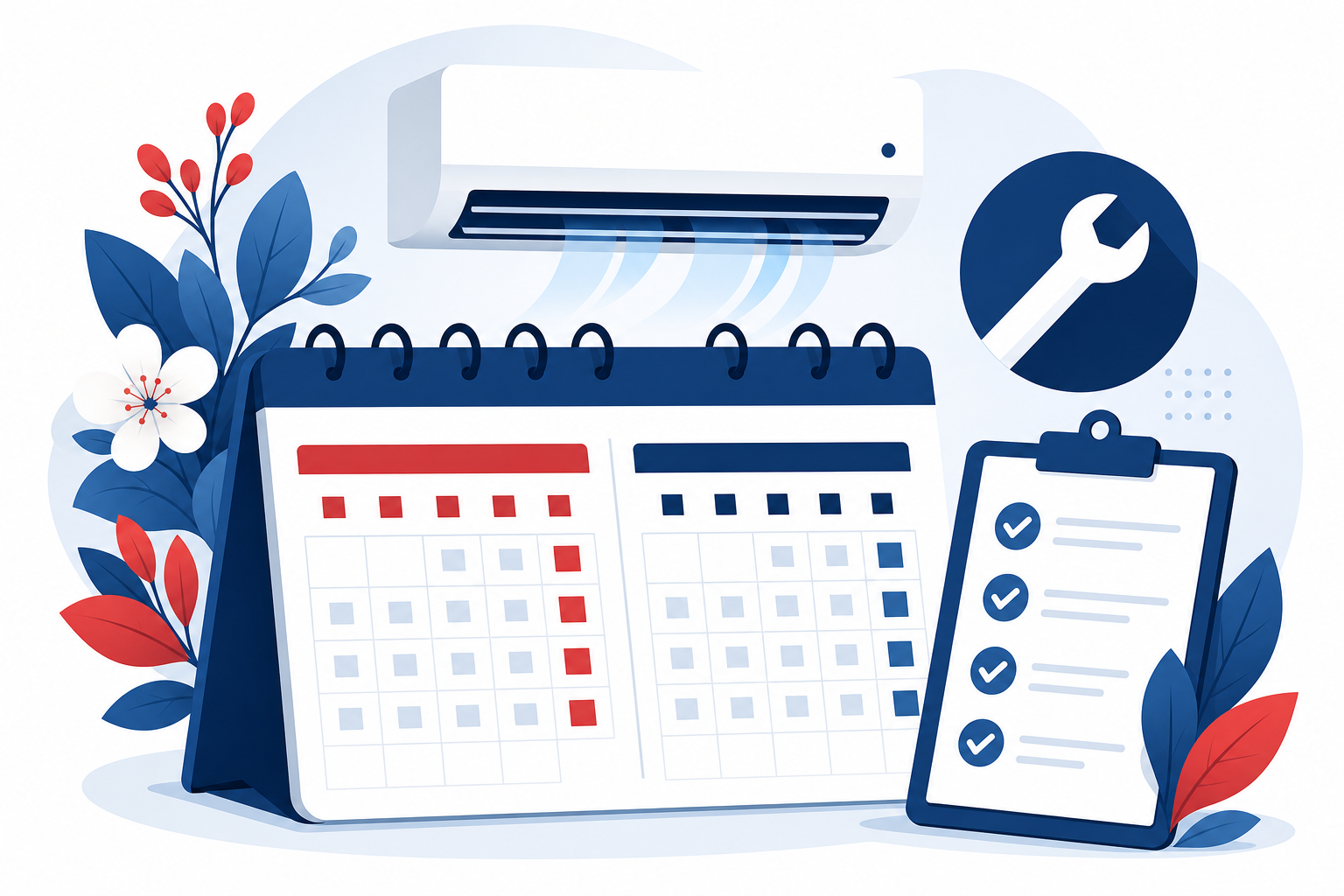
March and April are the sweet spot for a professional tune-up: your system wakes up from winter, and you still have time to fix small issues before the first serious heat wave.
Why Spring AC Maintenance Actually Matters
Air conditioners rarely experience a sudden catastrophic failure of the entire system. Instead, it’s more akin to death by a thousand thumbtack wounds, as the system deals with weakened electrical components that are becoming noticeably audible inside the house. Dust builds up on the evaporator coils. Refrigerant pressure drops due to refrigerant leaks. Airflow becomes restricted by old, collapsed ductwork.
None of these issues necessarily prevents the system from running, but they reduce efficiency and cause wear and tear far beyond normal levels.
When the first major heat wave hits, and your system is suddenly pushed to operate at full capacity for hours at a time, if something is already marginal, that’s when it breaks.
Spring HVAC maintenance is about catching those small issues early, when they’re still inexpensive and easy to correct.
What Happens During a Professional AC Tune-Up?
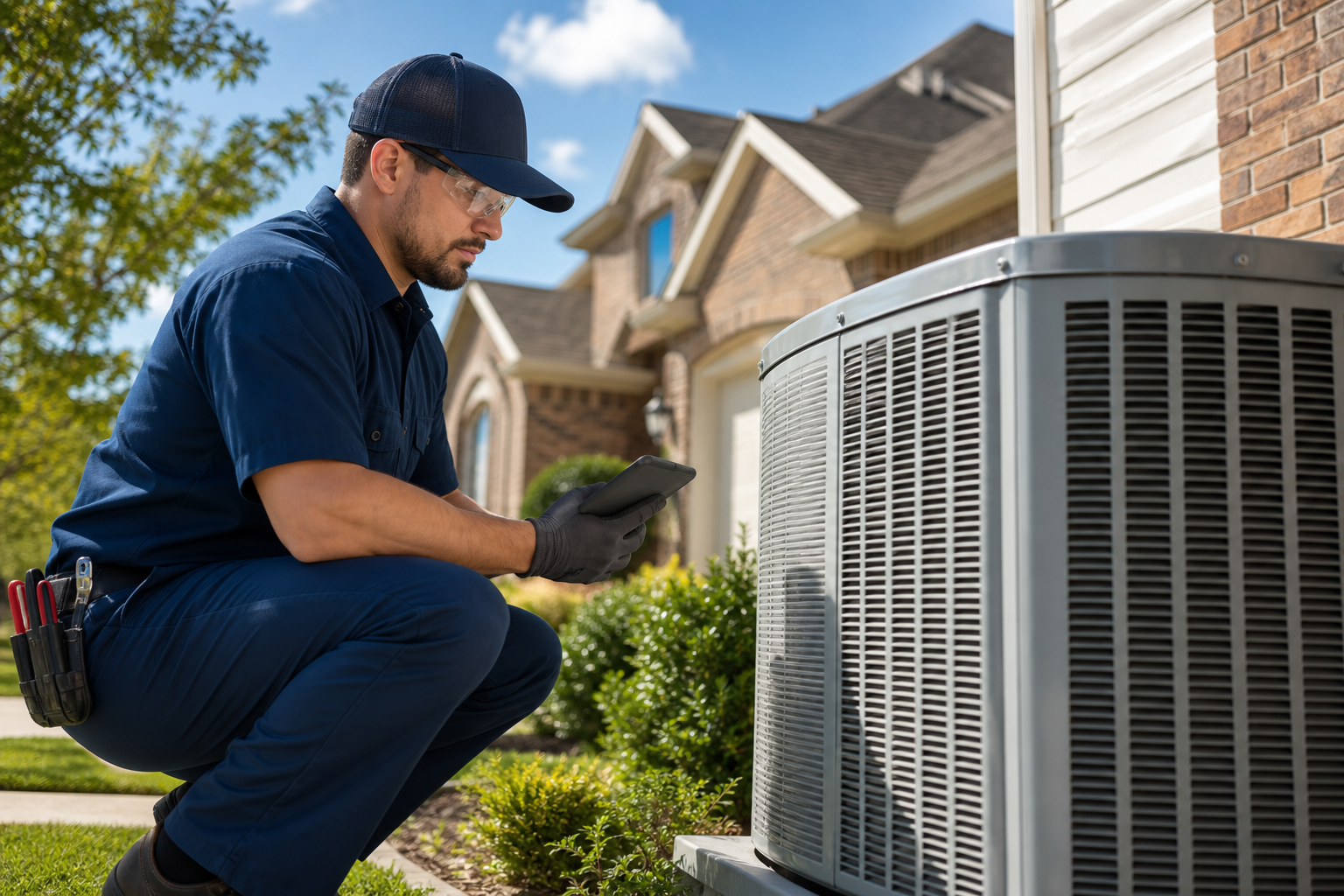
During a professional HVAC tune-up, technicians evaluate how your system operates as a whole—they’re not just checking boxes.
Step 1: Airflow
They start with airflow, because airflow is everything in an HVAC system. If your system can’t move air properly, it doesn’t matter how new your condenser unit is if it’s still having to fight the same battles as its predecessor. Your technician will inspect return air sizing, ductwork condition, and overall airflow performance throughout the home.
Step 2: Electrical
Next comes the electrical side of the system. Connections are inspected and tightened, capacitors are tested, and contactors are evaluated for wear. These are some of the most common failure points during peak summer usage. A weak capacitor in April becomes a no-cooling call in June.
Step 3: Refrigerant
Refrigerant levels and operating pressures are also checked. Too much or too little refrigerant affects efficiency, cooling performance, and compressor health. Left unchecked, it can lead to long-term damage to one of the most expensive components in your system.
Step 4: Visual Inspection and Cleaning of Individual Components
The indoor and outdoor coils, along with the heat exchanger, are inspected. Dirt and debris on these parts create reduced heat transfer, forcing your system to work harder to achieve the desired result. Cleaning and inspecting these components improves both efficiency and performance.
Step 5: Drainage and Final Safety Checks
Finally, safety systems and drainage components are tested. Condensate drain lines are cleared and pressure tested to prevent water damage, while safety controls ensure the system shuts down properly if something goes wrong.
Nick’s “32-point check-up” isn’t about the number—it’s about making sure every critical part of your system is operating correctly before it’s asked to perform in extreme heat.
What Problems Can Be Avoided With Regular HVAC Maintenance?
Spring maintenance isn’t just about improving efficiency—it’s about avoiding some very specific, very common summer problems.
Without regular maintenance, systems are more likely to experience sudden breakdowns during peak demand. Electrical failures, frozen coils, and airflow restrictions are among the most common issues that show up when systems are pushed too hard.
Some symptoms include uneven cooling, higher energy bills, and longer run times as the system struggles to maintain the desired temperature. Even seemingly small issues—like a partially clogged drain line or a slightly dirty coil—can escalate quickly under heavy use.
Why Houston Homes Are Especially Vulnerable
Houston’s climate doesn’t ease your system into summer—it drops it directly into the deep end.
Each summer seems to bring higher temperatures and humidity than the previous one, forcing your AC to do more than just cool the air. It also has to remove excessive moisture, which adds additional strain on the system. That means longer run times, more condensation, more chances for refrigerant line freeze-ups, and greater demand on major components like the compressor and blower motor.
If your system isn’t properly maintained, it’s not just cooling that suffers—comfort does too. You may find that your home feels damp or sticky even when the thermostat says it really is only 72 in here.
That’s not just uncomfortable. It’s inefficient.
Signs Your AC System Isn’t Ready for Summer
Even before temperatures peak, your system may already be showing signs of trouble.
If your AC is running longer than usual, struggling to keep up, or producing inconsistent temperatures from room to room, those are early indicators that something needs attention.
Unusual noises, higher-than-normal energy bills, or weak airflow are also signs that your system isn’t operating at full capacity.
Ignoring these signals rarely makes them go away. More often, they get worse under summer demand.
The Smart Way to Stay Ahead of AC Problems
The easiest way to avoid mid-summer breakdowns is to take a proactive approach.
A spring AC tune-up gives your system a clean starting point before the hottest months of the year. It ensures that airflow, electrical components, refrigerant levels, and safety systems are all functioning correctly.
It also gives you peace of mind knowing that your system has been evaluated by a professional before it’s pushed to its limits.
For homeowners who prefer not to think about scheduling maintenance each season, structured maintenance plans—like Nick’s VIP Maintenance Plan—handle it automatically with scheduled visits and priority service.
Get Your AC Ready Before Summer Hits
Houston summers don’t wait for your air conditioner to catch up.
If your system hasn’t been inspected recently, now is the time to schedule service before repair demand spikes and appointment availability becomes limited.
Nick’s Air Conditioning provides comprehensive AC maintenance designed to keep your system running efficiently, safely, and reliably all summer long.