


Author: Jeff O'Hara
Say “heat pump” to a Houston homeowner, and you usually get one of two reactions.
The first is a polite nod from someone who has no idea what a heat pump is, but assumes it probably involves water.
The second is, “Why would I need a heat pump? It’s Houston. We have two days of winter, and one of them is usually a Tuesday.”
Fair enough. But here’s the twist: a heat pump isn’t really a heating system that happens to cool. It’s a cooling system that also happens to heat. And for a city that runs its air conditioning eight or nine months a year, that distinction matters more than most people realize.
If your system is getting older and replacement is somewhere on the horizon, here’s what a heat pump actually is, how it compares to the traditional setup, and whether it makes sense for your Houston home.
What Is a Heat Pump, Exactly?
A heat pump is an HVAC system that heats and cools your home by moving heat from one place to another, instead of creating it.
In summer, it works exactly like a central air conditioner. It pulls heat out of your house and dumps it outside. That outdoor unit sitting beside your house looks, sounds, and behaves just like a standard AC condenser.
In winter, it runs the same process in reverse. A component called a reversing valve flips the direction of the refrigerant, and the system pulls heat from the outdoor air and moves it inside.
Yes, there’s heat in outdoor air even when it’s 40 degrees outside. Not much you’d want to stand in, but plenty for a heat pump to capture and concentrate.
That’s the whole trick. No burning gas. No glowing elements doing all the work. Just moving heat that already exists.
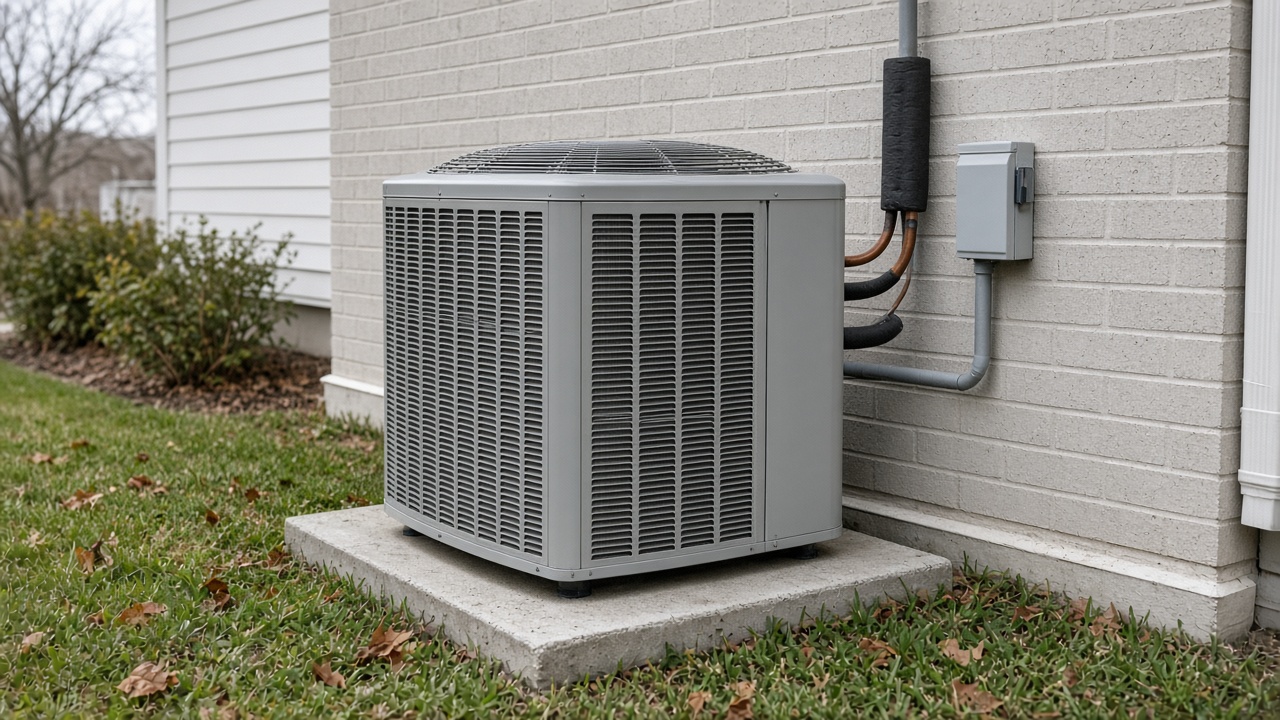
Heat Pump vs. AC and Furnace: What’s the Difference?
Most Houston homes use what’s called a split system: a central air conditioner for cooling, paired with a furnace for heating. The furnace is usually gas, though some homes use electric heat.
With that setup, you essentially own two machines with two jobs. The AC handles summer. The furnace handles winter. They share ductwork, a blower, and a thermostat, but they generate comfort in completely different ways.
A heat pump combines both jobs into one outdoor unit.
- Cooling: A heat pump and a comparable central AC perform essentially the same way.
- Heating: A furnace creates heat by burning gas or running electric resistance elements. A heat pump moves heat, which is typically far more efficient than electric resistance heat.
- Equipment: A heat pump system pairs the outdoor unit with an indoor air handler, often with backup heat strips for the coldest days.
Think of it this way: a furnace makes heat. A heat pump relocates it. Relocating is usually cheaper than making.
Why Houston Is a Good Fit for Heat Pumps
Heat pumps are at their best in climates with long cooling seasons and mild winters.
So, basically, Houston.
Our winters mostly hover in the 40s, 50s, and 60s, with occasional cold fronts dipping into the 30s. Those are exactly the conditions where a heat pump heats efficiently. And because your system spends most of the year cooling, you’re not giving anything up on the side that matters most here.
There’s also a practical benefit: many modern heat pumps use inverter technology, which lets the system adjust its speed instead of cycling fully on and off. In Houston’s humidity, longer, steadier runs help pull more moisture out of the air, which is often the difference between “cool” and “actually comfortable.”
Houston Reality Check
Somebody reading this remembers February 2021.
So let’s address it directly. Heat pumps lose some heating capacity as outdoor temperatures drop well below freezing. That’s why most heat pump systems in Houston include backup heat, usually electric heat strips in the air handler, that kick in when the heat pump needs help.
Some homeowners choose a dual-fuel setup instead, pairing a heat pump with a gas furnace. The heat pump handles most of the winter, and the furnace takes over when temperatures really plunge.
Hard freezes happen in Houston. They just don’t happen often. A properly designed system plans for them without letting a handful of cold nights dictate how you heat the other 360 days.
The Benefits Houston Homeowners Actually Notice
- Efficient winter heating: On typical Houston winter days, a heat pump can deliver more heat energy than the electricity it consumes, which usually beats electric resistance heat by a wide margin.
- One system, two jobs: Cooling and heating come from the same outdoor unit, simplifying the equipment you maintain.
- No combustion in the home: An all-electric heat pump setup doesn’t burn gas indoors, which removes combustion-related carbon monoxide risk from the heating side.
- Better humidity control: Variable-speed and inverter models run longer at lower speeds, which helps with Houston’s moisture problem.
- Modern efficiency standards: Newer heat pumps are rated under SEER2 for cooling and HSPF2 for heating, giving you a clearer picture of real-world performance.
The Trade-Offs Worth Considering
A heat pump isn’t automatically the right answer for every home.
- Upfront cost: Depending on the system and what you’re replacing, a heat pump may cost more than a basic AC-only replacement.
- Year-round workload: Because it runs in both seasons, the outdoor unit accumulates more operating hours than an AC that rests all winter. Regular maintenance matters.
- Different winter feel: Heat pump air often feels warm rather than hot compared to a gas furnace. The home still reaches the set temperature, but the air coming out of the vents may feel milder.
- Your existing setup: If you have a newer gas furnace in great condition, replacing it may not make financial sense yet. That’s where dual-fuel options come in.
Who Should Seriously Consider a Heat Pump?
A heat pump is worth a close look if:
- Your AC is aging and replacement is coming soon anyway
- Your home currently uses electric resistance heat
- Your home doesn’t have gas service, or you’d prefer to move away from it
- You want better humidity control and more consistent comfort
- You’re adding space or solving a problem room, where a ductless mini-split heat pump may fit
If your furnace is newer, your AC is fairly young, and everything is working well, there’s no reason to rip out a healthy system just to chase a trend. Timing matters.

The Best Time to Decide Is Before You Have To
Most people choose their HVAC system on the worst possible day: the one when the old system quit.
That’s when “whatever you can install fastest” wins, even if a better option would have saved money and improved comfort for the next 15 years.
If your system is over 10 years old, struggled through this summer, or needed more repairs than you’d like, now is a good time to learn your options. Fall gives you room to compare a standard AC and furnace, an all-electric heat pump, or a dual-fuel system without making the decision while sweating.
The licensed HVAC technicians at Nick’s Air Conditioning can evaluate your home, your existing equipment, and your comfort goals, then explain whether a heat pump makes sense for you. No pressure, no one-size-fits-all pitch.
Free estimates are available for system replacements, our 90-day warranty backs every repair, and you can call (713) 913-3577 to schedule a consultation.
Frequently Asked Questions
What is a heat pump?
A heat pump is an HVAC system that cools your home in summer and heats it in winter by moving heat rather than creating it. In cooling mode it works like a central air conditioner. In heating mode it reverses, pulling heat from outdoor air and moving it inside.
Do heat pumps work well in Houston?
Houston’s long cooling season and mild winters are a strong match for heat pumps. They handle most Houston winter days efficiently, and modern systems include backup heat for the occasional hard freeze.
What happens to a heat pump during a Houston freeze?
As outdoor temperatures drop, a heat pump loses some heating capacity. Most systems use auxiliary electric heat strips, or a gas furnace in a dual-fuel setup, to keep the home warm during rare hard freezes.
Should I replace my gas furnace with a heat pump?
It depends on your home, utility rates, existing equipment, and comfort preferences. Some Houston homeowners choose an all-electric heat pump, while others pair a heat pump with their gas furnace in a dual-fuel system. An in-home evaluation is the best way to compare options.
Is a Heat Pump Right for Your Home?
Nick’s can compare heat pump, dual-fuel, and traditional options for your Houston home and give you a straight answer.
Call Now: (713) 913-3577 Schedule Online
Heat Pumps • AC Installation • Heating Service