

Author: Jeff O'Hara
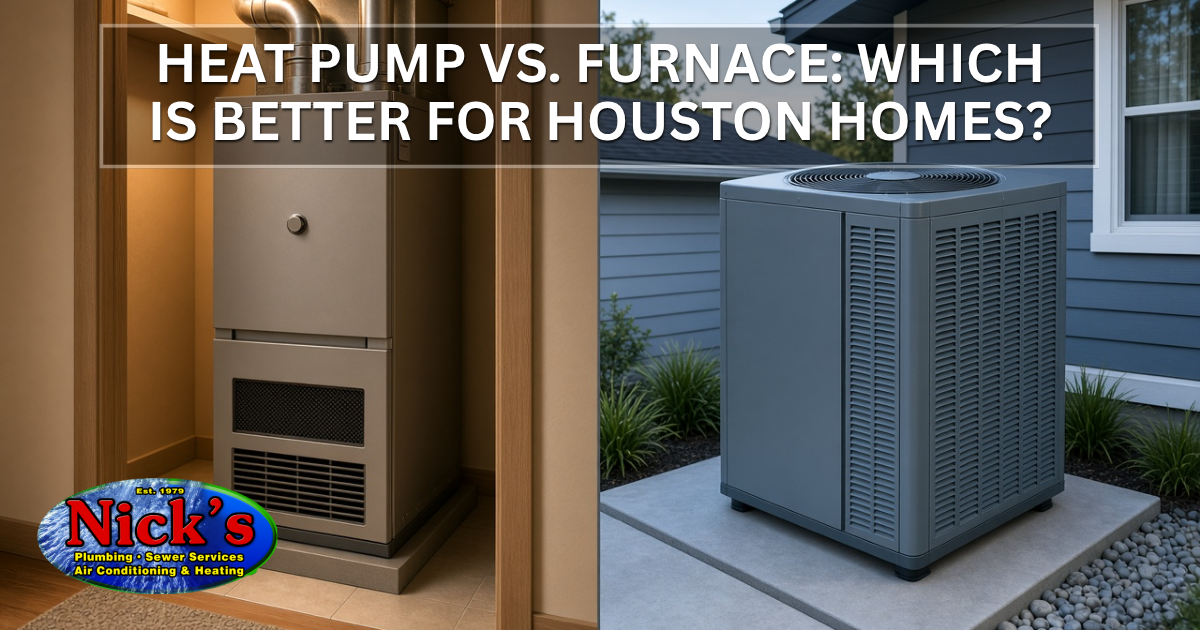
For decades, the furnace has been the undisputed heavyweight champion of home heating. Whether gas or electric, the basic concepts are the same: the thermostat calls for heat, the furnace produces it, and the blower distributes it through the house. Seems simple enough, right?
The modern HVAC system, as we know it today, was out of reach for most families from its 1914 introduction through the 1950s. With price tags between $10,000 and $50,000 (or $120,000 to $600,000 in 2026 dollars), these early, massive, whole-home systems were reserved for the ultra-rich.
Not long ago, giant cast-iron steam radiators and baseboard hot-water circulation systems were the norm for residential heating.
Central HVAC systems and window units became the next craze in home comfort. From the 1950s to today, they’ve remained the standard for home comfort. But that dominance didn’t last because they weren’t efficient or perfect in every space. It was all we had.
And along came the heat pump.
Instead of generating heat through combustion, this young contender moves heat from one place to another, and has the audacity to provide air conditioning in summer, too.
So now Houston homeowners replacing an HVAC system may find themselves facing a question that barely existed for previous generations:
Do I still need a furnace, or would a heat pump make more sense?
There isn’t one answer for every house.
But there is one enormously important factor that should influence the decision:
This is Houston. Our climate changes the fight considerably.
First, How Does a Furnace Heat Your Home?
A furnace creates heat and distributes it through the home’s ductwork.
A gas furnace burns natural gas to produce heat. A heat exchanger transfers that heat to the air moving through the system, and the blower distributes the warmed air throughout the house.
An electric furnace uses electric resistance heating elements instead of combustion. Think of those elements as considerably larger cousins of the heating coils inside a toaster.
Please don’t put bread in your furnace.
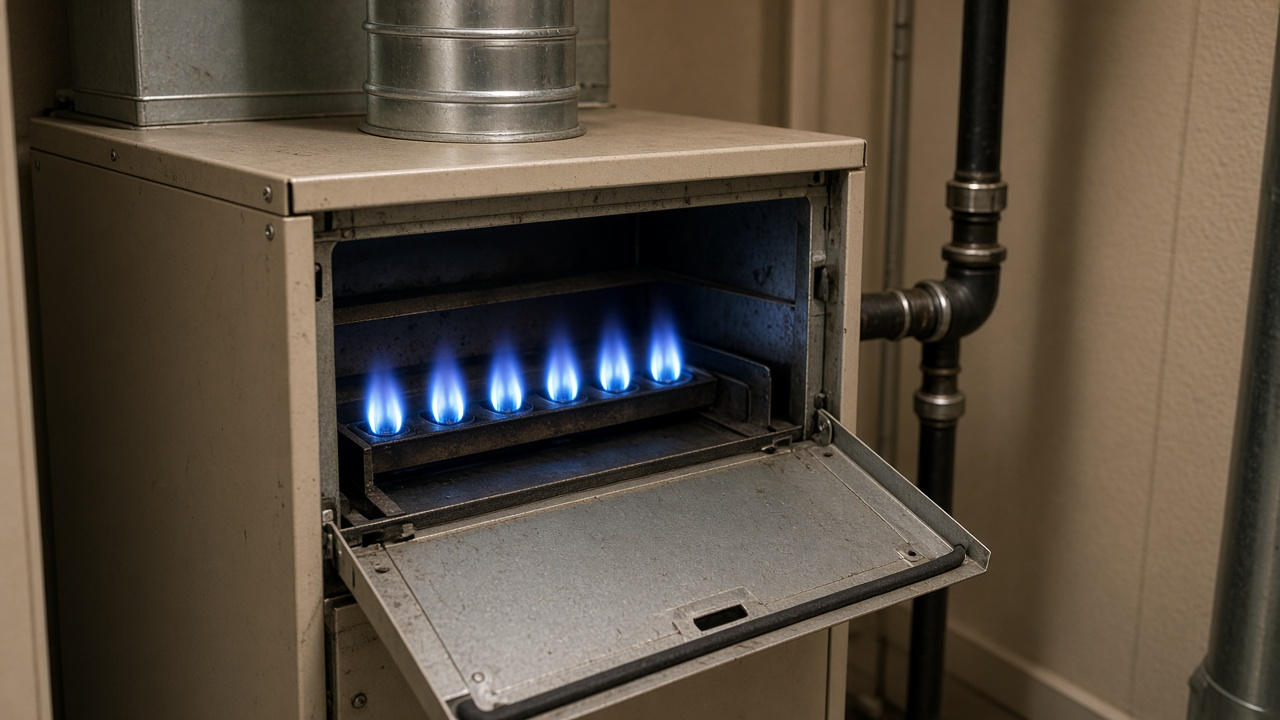
Both systems can produce reliable heat, and furnaces have obviously proven themselves in American homes for over a century. They’re especially effective when outdoor temperatures drop extremely low because they don’t rely on extracting heat from outdoor air.
Houston, however, doesn’t spend very much time being extremely cold.
And that’s where the challenger enters the ring.
A Heat Pump Doesn’t Really “Make” Heat
A heat pump is totally not a furnace. It may exhibit certain behaviors of a furnace, but it is not a furnace.
During summer, it operates much like a conventional air conditioner. Refrigerant absorbs heat from inside your home and carries it outdoors.
During winter, the process reverses. The heat pump extracts available heat from outdoor air and transfers it inside. That last sentence tends to produce the same question:
What heat is it pulling from outside when it’s 40 degrees out?
Cold air can still contain usable thermal energy. A heat pump can capture some of that energy and move it indoors. Moving heat generally requires less energy than creating the same amount of heat with electric resistance elements or natural gas.
Because the refrigeration cycle can run in both directions, one system can provide both cooling and heating.
In Houston, that’s an interesting proposition.
Houston Reality Check: We Buy HVAC Systems Mostly for Summer
Let’s be realistic about the job description.
Houston certainly gets cold weather. We’ve had hard freezes, ice, and enough winter surprises to make everyone a little nervous when the forecast shows a blue line.
But heating isn’t what dominates our HVAC calendar. Cooling is.
Our air conditioners can run for much of the year, while the heating system may spend long stretches waiting for someone to remember it’s still there.
That matters when comparing a furnace with a heat pump.
In a climate with months of severe winter temperatures, the ability of a furnace to produce substantial heat regardless of outdoor conditions can be a major advantage. Houston’s generally milder winters allow a heat pump to spend much more of the heating season operating under conditions where the technology is particularly well suited.
The climate should influence the equipment.
Where Heat Pumps Make Their Case
The biggest advantage of a heat pump in Houston is that one half of the system isn’t sitting around collecting dust and debris during our hot stretches.
It’s your air conditioner, too.
During cooling season, a properly sized heat-pump system cools and dehumidifies the home much like a conventional central AC system. When cooler weather arrives, the refrigerant cycle reverses, and the same equipment provides heat.
That can make heat pumps particularly attractive in climates dominated by cooling with relatively moderate heating demands.
Heat pumps also have an efficiency advantage over electric resistance heat.
- An electric furnace uses electricity to heat its elements.
- A heat pump uses electricity primarily to move heat.
For Houston homeowners currently heating with electric resistance equipment, that difference deserves serious consideration when it’s time to replace it.
The Furnace Still Has a Pretty Good Right Hook
Don’t start planning the retirement ceremony yet.
Furnaces remain extremely capable heating systems.
Gas furnaces can deliver strong, consistent heat even when outdoor temperatures plunge. Many homeowners also prefer the warmer supply-air temperature and familiar feel of furnace heat.
During those occasional Houston freezes when everyone suddenly remembers why houses have heating systems, a properly operating furnace doesn’t need to extract heat from bitterly cold outdoor air.
Its job remains essentially the same.
For homes already equipped with natural gas service and compatible infrastructure, replacing an existing furnace with another furnace may also make practical sense depending on the rest of the HVAC system, installation requirements, equipment condition, and homeowner priorities.
The old champ isn’t washed up.
It just finally has competition.
What Happens to a Heat Pump When Houston Freezes?
This is where heat-pump conversations sometimes become outdated.
Older heat pumps developed a reputation for struggling as outdoor temperatures dropped. As temperatures dropped, their heating capacity and efficiency could decline enough that supplemental heat became necessary.
Modern heat-pump technology has improved substantially.
But physics hasn’t been repealed.
As outdoor temperatures fall, extracting heat becomes harder, and system performance depends heavily on the equipment and how it was designed and installed.
That’s why heat-pump systems may use supplemental or auxiliary heat during colder conditions.
For some systems, that backup may be electric resistance heat. Other configurations can pair a heat pump with a gas furnace, creating what’s often called a dual-fuel system.
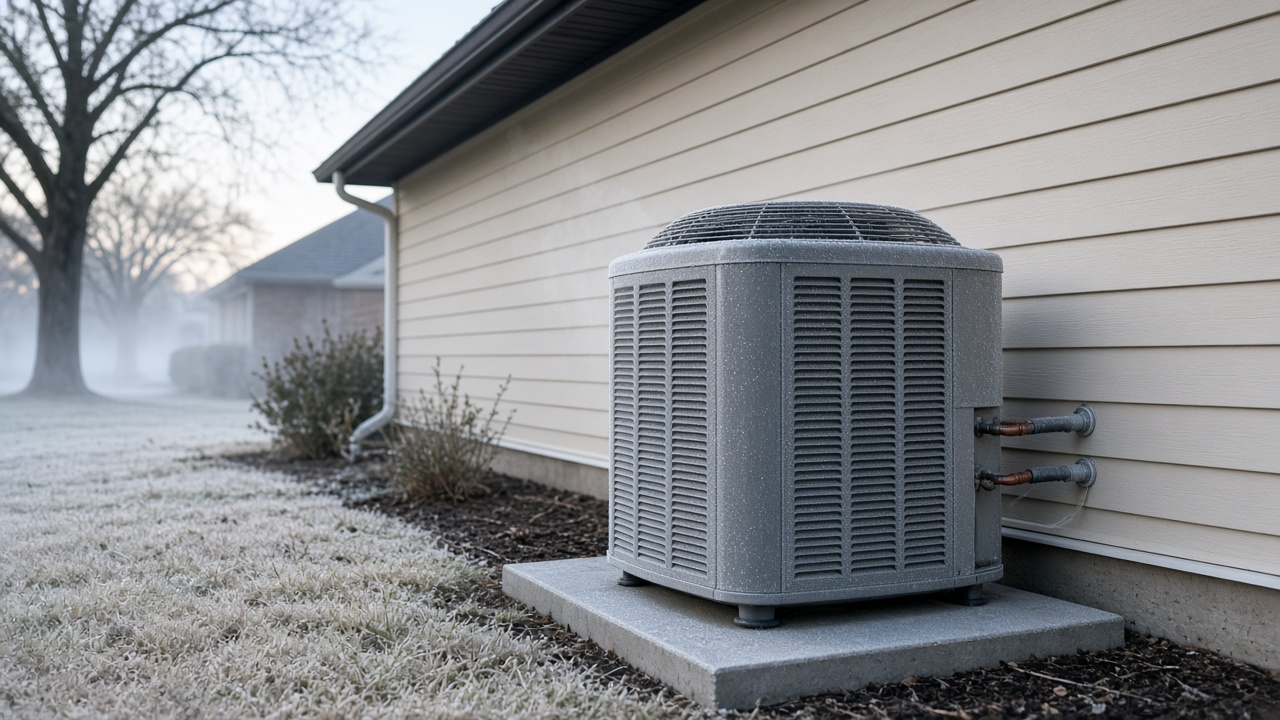
Most Houston winter days can comfortably run on the heat pump.
On those occasional nights when the city decides to impersonate Chicago, backup heat becomes part of the conversation.
Wait, You Can Have a Heat Pump AND a Furnace?
Absolutely. Nobody said this had to be a custody battle.
A dual-fuel HVAC system combines a heat pump with a gas furnace.
During moderate weather, the heat pump can handle heating. When outdoor conditions reach the point where the system is better served by the furnace, controls switch to gas heat.
For Houston, that arrangement can offer an interesting compromise.
The heat pump handles the cooling season and much of our relatively mild heating season, while the furnace remains available for colder conditions.
Whether the additional equipment and installation complexity make financial sense depends on the house, existing infrastructure, energy costs, equipment choices, and homeowner priorities.
But homeowners don’t necessarily have to choose Team Furnace or Team Heat Pump and spend Thanksgiving refusing to speak to the other side of the family.
The One Thing Homeowners Usually Get Wrong
The equipment category doesn’t determine whether you’ll be comfortable.
The installation does. A terrific heat pump installed incorrectly can perform terribly.
So can a terrific furnace.
Sizing matters. Ductwork matters. Airflow matters. Refrigerant charge matters on heat-pump systems. Controls matter. The condition of the house itself matters.
Installing the biggest system available isn’t the answer either.
Match HVAC equipment to the home’s heating and cooling needs rather than choosing the model with the most impressive number on the brochure.
The question isn’t simply:
Which technology is better?
It’s:
Which properly designed system makes the most sense for this Houston house?
That’s a much more useful question.
So, Which One Wins in Houston?
Annoyingly, we’re going to deny the internet the knockout it wanted.
That’s because, in our climate, all options make sense as long as our home cools faster.
A gas furnace remains an excellent option for homeowners who value powerful heating performance, already have natural gas infrastructure, or prefer the characteristics of traditional furnace heat.
For an all-electric home, a heat pump can be particularly attractive because it provides efficient heating while also serving as the home’s cooling system.
The right answer depends on the home, existing equipment, available utilities, comfort preferences, installation costs, operating costs, and how long you expect to own the system.
But climate absolutely belongs in that calculation.
In Houston, the climate gives the heat pump a much stronger argument than it did just twenty years ago.
The Champ Hasn’t Lost Its Belt Yet
The furnace isn’t going anywhere.
It’s dependable, familiar, powerful, and exceptionally good at what it was designed to do.
The heat pump simply changed the question.
Instead of asking which piece of equipment can produce the most heat on the coldest possible day, Houston homeowners can ask which system best handles the conditions their house experiences most of the year.
Around here, that means designing for long cooling seasons, oppressive humidity, mild winter days, and the occasional freeze that reminds everyone not to get complacent.
The furnace remains the old heavyweight.
The heat pump is the younger challenger with an increasingly impressive record.
In Houston, though, Mother Nature chooses the weight class.
If you’re considering replacing your heating and cooling system, the licensed HVAC technicians at Nick’s Air Conditioning can evaluate your home’s existing equipment, heating and cooling requirements, and available options before recommending a system.
We offer free estimates for system replacements, and our 90-day warranty covers every repair. You can call (713) 913-3577 to schedule service.
Frequently Asked Questions
Are heat pumps good for Houston homes?
Heat pumps can suit Houston well because they provide both cooling and heating, and our winters are generally much milder than those in northern climates. The best choice still depends on the individual home, system design, existing utilities, and equipment.
Can a heat pump keep my house warm during a Houston freeze?
Modern heat pumps can operate at temperatures well below what older systems could comfortably handle, but capacity and efficiency vary by equipment as outdoor temperatures fall. Supplemental or backup heating may be incorporated into the system for colder conditions.
Is a heat pump more efficient than an electric furnace?
For heating, a heat pump can generally use electricity more efficiently because it transfers heat rather than creating it entirely through electric resistance elements. Actual operating costs depend on equipment efficiency, weather, electricity rates, system design, and household use.
Can I use a heat pump with a gas furnace?
Yes. A dual-fuel system combines a heat pump with a gas furnace, letting the system use different heating sources based on operating conditions and how the controls are configured.
Heat Pump or Furnace? Get a Straight Answer.
Nick’s can evaluate your home and existing equipment, then recommend the system that fits how Houston actually treats your house.
Call Now: (713) 913-3577 Schedule Online
Heat Pumps • Furnace Installation • Heating Repair