

Author: Jeff O'Hara
It’s October in Houston.
The pumpkins are out. Halloween decorations are going up. Your neighbor is outside drinking a hot pumpkin-spice latte in shorts because it’s still 90 degrees.
Winter HVAC maintenance is probably the last thing on your mind right now.
Houston weather, however, has repeatedly shown that it doesn’t need much advance notice before deciding we’ve had enough summer. Or any season.
A warm fall afternoon can turn into a cold night surprisingly quickly, and an approaching freeze is a terrible time to discover that your furnace, which hasn’t been turned on since last February, has suddenly (but not surprisingly) developed a major issue.
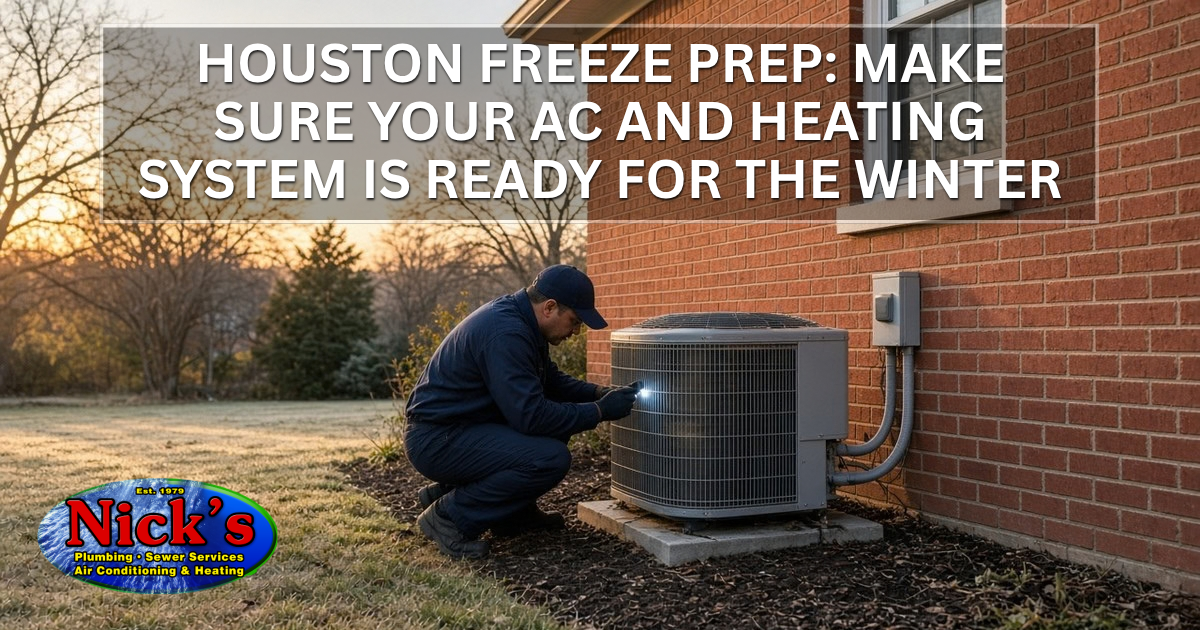
Getting your HVAC system ready for winter isn’t only about the heating equipment, either. Your air conditioner just wrapped up another brutal summer cooling season, and while your furnace and related components live inside the house, the outdoor portion of your system stays exposed to whatever winter weather Houston receives.
Start Test-Running Your Heating System Before You Actually Need It
The easiest heating problem to deal with is the one you discover while it’s still 80 degrees outside.
Turn your heating system on during a mild fall day and let it complete a heating cycle. Set the thermostat several degrees above the indoor temperature and make sure the system starts normally and warm air reaches the rooms throughout your house.
Take this opportunity to observe how your heating system behaves:
- Does it start without repeated attempts?
- Is warm air coming from the vents?
- Does the blower sound normal?
- Are some rooms noticeably colder than others?
- Does the system shut off after reaching the thermostat setting?
We’re not suggesting you attempt to diagnose the furnace yourself. You’re simply taking it for a test drive before Houston decides to provide actual consequences for failure. If something doesn’t seem right, you have time to schedule an inspection instead of joining half the city trying to find an HVAC technician during the first freeze.
Don’t Panic Over That First Dusty Smell
One thing to be aware of: when you turn on the heat for the first time after months of disuse, you’ll probably notice a dusty or slightly burning odor. That’s usually the smell of dust that settled on heating components during the warmer months. It should start to fade as the system runs.
If you notice strong electrical odors, melting-plastic smells, visible smoke, or an odor that keeps getting worse instead of fading after a few minutes, shut the system down and have it inspected. Your furnace is allowed to smell like it hasn’t been invited to work in eight months. It isn’t allowed to smell like it’s attempting to burn down the attic.
Replace the Air Filter
We know.
The air filter again.
Unfortunately, your HVAC system remains stubbornly committed to needing one.
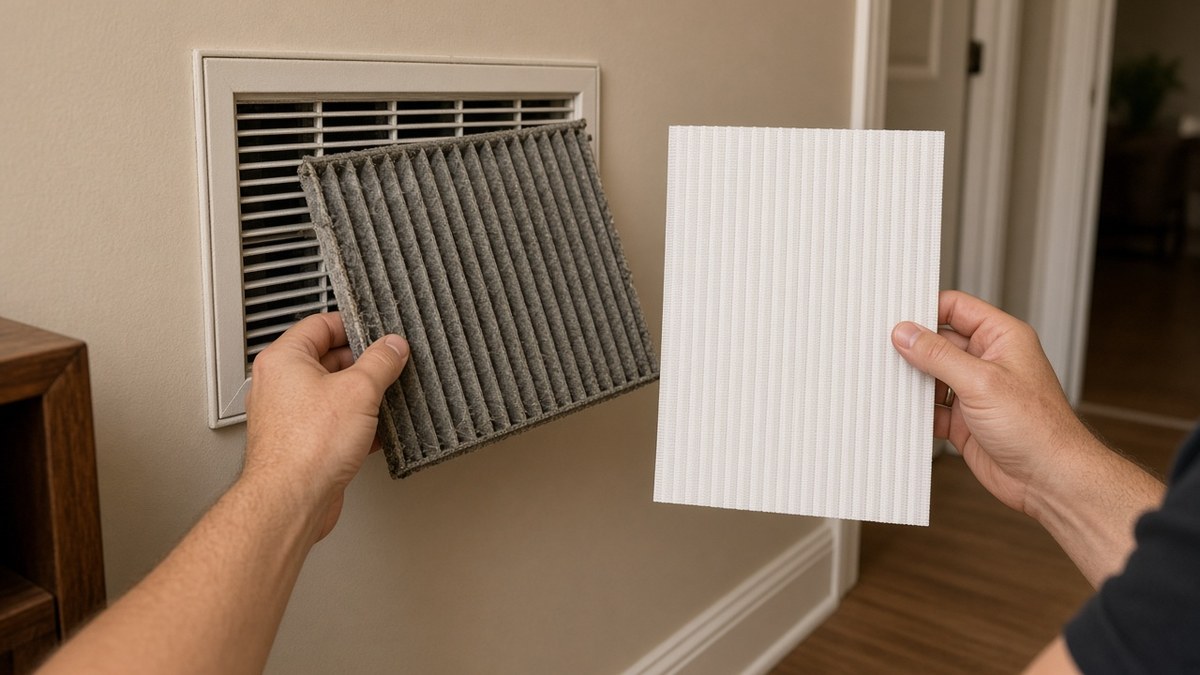
After surviving another Houston summer, your AC filter is likely holding months of dust, pollen, pet hair, and other airborne debris in its folds. A heavily loaded filter restricts airflow through the HVAC system, and that problem exists whether you’re cooling or heating.
Your furnace still needs to move air.
Starting heating season with a clean filter is one of the simplest things homeowners can do to help maintain proper airflow and reduce unnecessary strain on the system.
Pull the filter and inspect it. If you’re holding it up to the light and negotiating with yourself about whether you can squeeze another month out of it, spend the few bucks.
That filter has seen enough.
Check Your Thermostat Before Winter Arrives
Your thermostat has spent most of the year concentrating on one job: making your Houston house feel less like Houston on the inside.
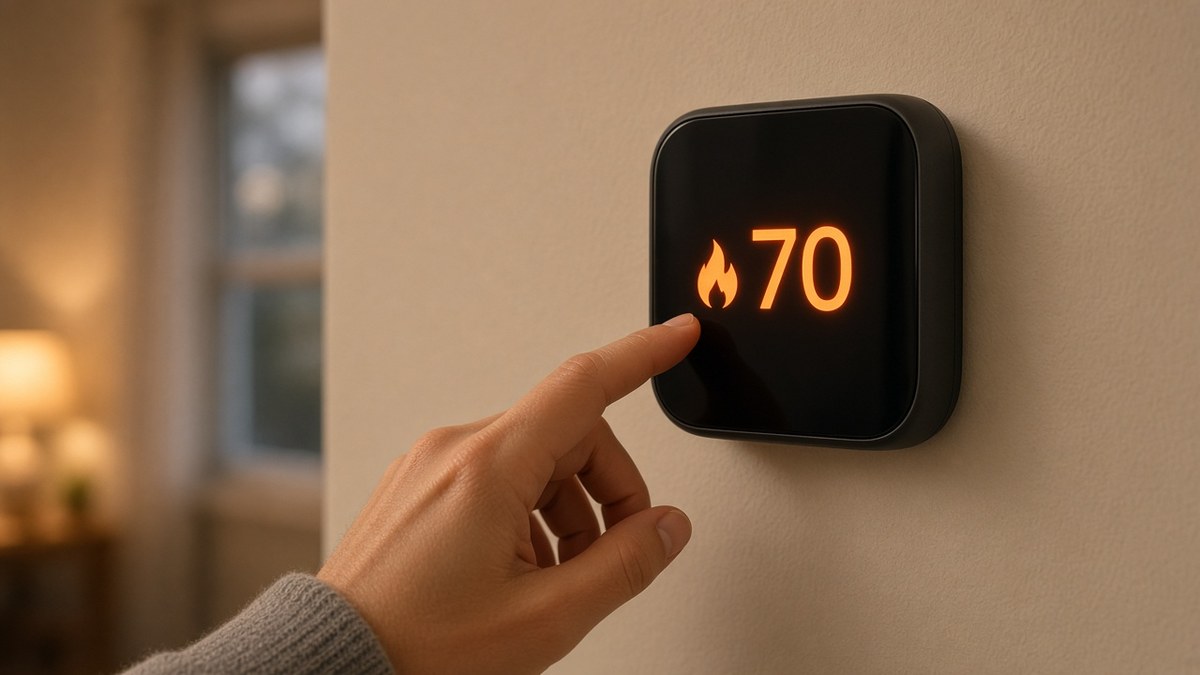
Now it’s about to change departments. Switch the thermostat to heating mode and verify that it communicates properly with the heating system. If it uses batteries, check or replace them as needed.
Programmable and smart thermostats also deserve a look at their schedules.
The settings you used during cooling season probably aren’t ideal for winter. Household schedules change, comfortable sleeping temperatures change, and the enormous indoor-outdoor temperature difference that drove your summer AC usage disappears. If you’re not sure where to start, here’s how your thermostat settings affect how hard your system works.
Adjusting the schedule now means you won’t be standing in front of the thermostat on the first cold morning, trying to remember the password to an app you haven’t opened since last winter.
Give the Outdoor AC Unit a Post-Summer Inspection
Preparing for winter doesn’t mean forgetting about the air conditioner. Your condenser just spent months sitting outside through extreme heat, thunderstorms, grass clippings, leaves, mud, weeds, and whatever else your yard managed to throw at it.
Walk around the outdoor unit.
Clear away loose leaves, vegetation, branches, and debris. Make sure shrubs haven’t grown against the cabinet and check for obvious signs of damage. Our post-summer AC checklist covers what to look for.
The condenser doesn’t need to look showroom-new.
It does need to remain unobstructed.
And while it may be tempting to wrap the entire outdoor unit in plastic for winter, that’s generally unnecessary in Houston and can trap moisture inside the equipment. The outdoor cabinet is designed to live outdoors.
What Happens to Your AC During a Houston Freeze?
Your outdoor HVAC equipment is designed to tolerate normal outdoor weather, including cold temperatures.
That doesn’t mean every part of the system is immune to freeze-related trouble.
One area worth remembering is the condensate system.
During cooling season, your AC removes moisture from indoor air and sends that water through a condensate drain. Depending on how the drain is routed and how much of it is exposed, standing water can become vulnerable when temperatures stay below freezing.
Outdoor pipes, drains, and other exposed plumbing around the home deserve similar attention before freezing weather arrives.
You don’t need to redesign your HVAC system every time the forecast mentions 32 degrees.
You do need to know what’s exposed.
Houston Reality Check
Most Houston winters aren’t particularly dramatic. That’s exactly why freezes catch people off guard.
Weeks of mild weather make it easy to forget what happened the last time temperatures dropped into the teens or stayed below freezing for an extended period.
Then the forecast changes.
Hardware stores get raided.
Everyone suddenly remembers their outdoor faucets and sprinkler systems.
And your furnace, which nobody has spoken to since February, receives an urgent request to work continuously.
Freeze preparation isn’t about treating every Houston winter like we’re moving to Minnesota. It’s about recognizing that our homes and HVAC systems spend most of the year optimized for heat, and occasionally get asked to handle the exact opposite.
Make Sure Your Carbon Monoxide Detectors Are Working
If your home uses gas-fired heating equipment, fall is an excellent time to test your carbon monoxide detectors.
Carbon monoxide can’t be seen or smelled, which is why working detectors matter.
Test them according to the manufacturer’s instructions, check batteries where applicable, and replace detectors that have reached the end of their recommended service life.
Smoke detectors should receive the same attention.
This takes only a few minutes.
Of everything on your winter HVAC checklist, it may also be the most important.
Schedule Heating Maintenance Before the First Freeze
Homeowners can change filters, test thermostats and detectors, clear vents, and perform a basic heating test.
A professional heating maintenance visit goes considerably further.
A technician can evaluate system operation, electrical components, airflow, safety controls, thermostat performance, blower operation, and other components appropriate to your heating equipment.
Gas heating systems also have combustion-related components that require professional inspection.
The objective isn’t to find something wrong because winter is approaching.
It’s to find something wrong before winter makes it urgent.
Prepare for the Freeze Before Houston Announces One
Houston homeowners know how this works.
Nobody thinks much about freezing weather until the local forecast suddenly contains the words “hard freeze.”
Then everybody thinks about it simultaneously.
That’s when you don’t want to discover dead thermostat batteries, a furnace that won’t start, blocked airflow, strange electrical smells, or a heating system that hasn’t been professionally inspected in years.
October may still feel like summer.
Use that to your advantage.
Test the heat. Replace the filter. Check the thermostat. Clear the vents. Test your carbon monoxide detectors. Look over the outdoor equipment and deal with anything unusual while the weather is still boring.
Because the best time to find out whether your heating system is ready for a Houston freeze is when you’re still wearing shorts.
If your HVAC system hasn’t been inspected since last heating season, the licensed technicians at Nick’s Air Conditioning can check its condition, identify developing problems, and make sure your home is ready before winter weather arrives.
Free estimates are available for system replacements, our 90-day warranty backs every repair, and you can call (713) 913-3577 to schedule heating maintenance or service.
Frequently Asked Questions
When should Houston homeowners prepare their HVAC system for winter?
Early to mid-fall is a good time to begin. Testing the heating system while temperatures are still mild gives you time to address problems before the first strong cold front or freeze creates an immediate need for heat.
Should I cover my outside AC unit during a freeze?
Outdoor HVAC equipment is designed to withstand normal weather exposure, and completely wrapping an outdoor unit can trap moisture. Follow the equipment manufacturer’s recommendations and have a technician advise you if your particular installation requires additional freeze protection.
Should I turn my furnace on before the first cold front?
Yes. A short test in mild weather lets you verify that the thermostat, furnace, blower, and airflow operate normally before heating becomes necessary for comfort.
Why does my furnace smell when I first turn it on?
Dust can accumulate on heating components during months of inactivity and produce a temporary dusty or burning smell during the first heating cycle. If you smell persistent electrical or melting odors, smoke, or smells that get stronger, have a professional investigate.
Is Your Heating System Ready for a Houston Freeze?
Schedule heating maintenance now and let Nick’s find the problems before the first cold front does.
Call Now: (713) 913-3577 Schedule Online
Heating Maintenance • Heating Repair • AC Service